Dubai lets foreigners buy property outright. No local partner required. No citizenship needed. That’s genuinely unusual in this region – and it’s why international buyers keep coming back.
But there are rules. And if you don’t know them before you start, you’ll either buy in the wrong zone, overpay on fees, or miss documents that hold everything up at the finish line. Here’s what you need to know.
Where foreigners can buy
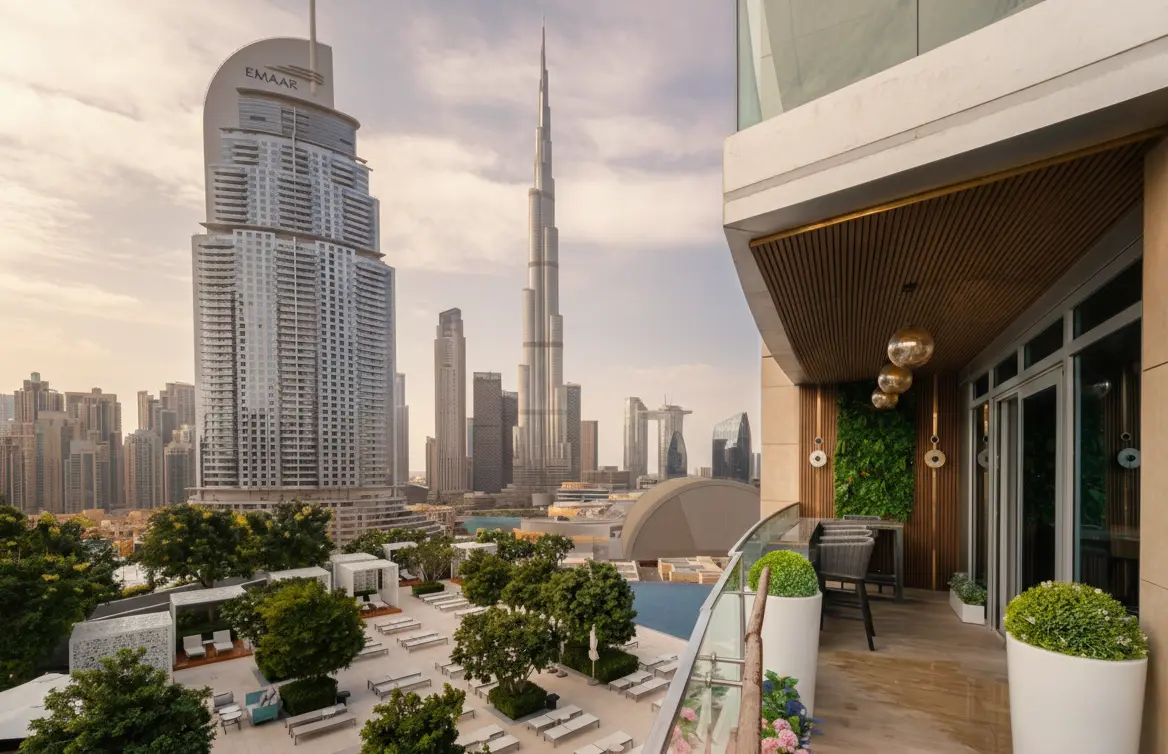
You can only buy freehold property in designated zones. The full list is set by the Dubai Land Department, but the main ones are: Downtown Dubai, Dubai Marina, Palm Jumeirah, Jumeirah Village Circle, Business Bay, Dubai Hills Estate, Arabian Ranches, and DIFC.
Outside these zones, foreigners can only get leasehold – typically up to 99 years. That’s a long-term lease contract, not ownership. The difference matters when you try to mortgage the property or sell it to another foreign buyer.
Ras Al Khaimah has its own freehold zones worth watching right now. Al Marjan Island is one – and with Wynn Al Marjan Island opening in Spring 2027, property demand there is climbing fast.
Can you buy without visiting Dubai?
For off-plan purchases, yes – many developers accept remote reservations, sometimes with just a passport copy and a deposit transfer. For ready properties, it’s more complicated. The title deed transfer has to happen in person at a DLD-approved trustee center. You or a legally appointed representative must be physically present.
Power of attorney works here, but it has to be properly notarized and attested. A UAE-based lawyer or registered agent can handle the transfer on your behalf if you can’t travel. Budget an extra AED 3,000–5,000 (~$800–$1,360 USD) for that service.
Mortgages for non-residents – what banks will actually offer
Foreign buyers who don’t live in the UAE can get a mortgage. Most major banks in Dubai offer non-resident home loans – Emirates NBD, ADCB, Mashreq, and HSBC are the common ones. The terms are different from what residents get.
Non-residents typically get a maximum loan-to-value (LTV) of 50% on properties up to AED 5 million (~$1.36 million USD). That means you’re putting down at least 50% as a cash deposit. For properties above AED 5 million, the LTV cap drops to 40%. Residents get up to 80% LTV – so there’s a real difference if you’re financing.
Interest rates for non-resident mortgages currently run between 4.5% and 6.5% depending on the bank and your financial profile. Fixed-rate periods are usually 1–5 years, then it switches to variable. Read that part of the contract carefully.
Fees you need to budget before you buy
The DLD transfer fee is 4% of the purchase price. On a $300,000 property, that’s $12,000. Non-negotiable, paid at the trustee center on the day of transfer.
On top of that: trustee center admin fee (AED 4,000 / ~$1,090 for apartments, AED 4,200 / ~$1,140 for land), a property registration fee, and if you use a real estate agent, their commission – usually 2% of purchase price. For a financed purchase, add mortgage arrangement fees (around 1% of the loan amount) and a valuation report fee (AED 2,500–3,500 / ~$680–$950).
Total transaction costs for a foreign buyer typically land between 6% and 8% of the property price. Budget for that from day one, not after you’ve agreed on a price.
Documents you’ll need
Passport – original, valid. That’s the baseline for every step: making an offer, signing the SPA, completing the transfer. If you’re buying with a mortgage, the bank will also want 6 months of bank statements, proof of income or employment, and a credit report from your home country.
If the seller has an existing mortgage, you need a bank clearance letter before the transfer can proceed. No exceptions. The DLD will not process the transfer without it. Sellers sometimes underestimate how long getting this letter takes – factor in an extra 2–3 weeks if this applies.
Off-plan vs ready properties – which makes more sense for a foreign buyer
Off-plan is where most foreign buyers start, mostly because the entry prices are lower and payment plans stretch 3–5 years. Some developers offer post-handover payment plans that go 5–10 years past completion. That’s essentially developer financing – no bank involved.
The risk is obvious. Projects get delayed. Some get cancelled. Before you pay anything, confirm the developer is registered with RERA, and that the project is listed on the Dubai Land Department’s off-plan registry. If it’s not there, walk away.
Ready properties are simpler. What you see is what you get. Transfer happens within weeks, not years. And if you’re buying for rental income, you start earning immediately – not after a 3-year construction wait.
The investor visa
Buy property worth AED 750,000 (~$204,000 USD) or more and you qualify for a UAE property investor visa. It’s valid for 2 years and renewable as long as you hold the property. This gives you UAE residency – which opens up a local bank account, a UAE driving license, and a lot of practical benefits if you spend time here regularly.
For properties worth AED 2 million (~$545,000 USD) or more, you qualify for the Golden Visa – 10 years, renewable. The Golden Visa covers your spouse and children. That’s the version most serious investors are targeting.
What to know about title deeds before you close
Once the transfer is done, the Dubai Land Department issues your title deed – the only document that legally proves you own the property. If your name isn’t on it, you don’t own it. That sounds obvious, but in off-plan deals, buyers sometimes confuse the Oqood certificate (an interim registration) with actual ownership. They’re not the same thing.
Before paying any deposit, verify the seller’s existing deed on dubailand.gov.ae. The tool is free, takes two minutes, and tells you if the document is genuine. Fake deeds circulate in Dubai’s secondary market. Don’t skip this step. For a full breakdown of how the deed transfer process works, see our guide to title deeds in Dubai.
Areas worth watching in 2026
Dubai Marina and Downtown remain liquid – easy to buy, easy to sell, strong rental yields (5–7% gross). Palm Jumeirah is still appreciating but entry prices are high. JVC and Dubai South offer lower entry points with decent yield.
Outside Dubai proper, Al Marjan Island in Ras Al Khaimah has been moving fast. The Wynn casino resort opening nearby in 2027 is driving speculative buying and genuine rental demand from hospitality workers and investors. Properties there are still cheaper than comparable Dubai waterfront – for now.
Common mistakes foreign buyers make
Buying in a leasehold zone thinking it’s freehold. Not budgeting for the 4% transfer fee. Signing a reservation form without checking if the developer is RERA-registered. Skipping the DLD title deed verification. Assuming a power of attorney doesn’t need notarization.
The other one: rushing. Dubai has plenty of properties and deals come back around. The ones that disappear in 24 hours are usually overpriced anyway. Take the time to check what you’re actually buying.
Short version if you’re in a hurry
Foreigners can buy freehold in designated zones – full list on the DLD site. Budget 6–8% on top of purchase price for transaction costs. Non-resident mortgages exist but require 50% down. Verify the title deed before paying anything. Off-plan works if the developer is RERA-registered and the project is DLD-listed.
More on buying across Dubai and the Northern Emirates at RP Dubai – market data, area guides, and practical buying information.